
A new patio transforms how you use your garden — it’s where you’ll dine, relax and entertain from spring through to autumn. But before any slabs are laid, there’s one big decision to make: porcelain or natural stone? Both create a beautiful, long-lasting patio, but they look and behave differently, and each suits a different type of home. This guide compares them honestly — on looks, maintenance, grip, cost and durability — so you can choose with confidence.
Quick answer: porcelain vs natural stone patios
Porcelain paving is a man-made, kiln-fired tile that is dense, low-maintenance, stain-resistant and colour-consistent, with a sleek modern finish. Natural stone paving is quarried stone such as sandstone, limestone or granite, offering unique character and a warmer, traditional look, but it’s more porous and needs sealing. Choose porcelain for a contemporary, easy-care patio; choose natural stone for natural variation and a classic feel.
Key takeaways
- Porcelain = man-made, dense, no sealing needed, stain- and frost-resistant, uniform modern look.
- Natural stone = quarried, characterful and traditional, but more porous and needs sealing.
- Both are safe underfoot when an outdoor, slip-rated finish is chosen.
- Groundwork and installation quality determine how long a patio lasts — more than the slab itself.
What is porcelain paving?
Porcelain paving is a manufactured tile made from refined clay fired at very high temperatures, which makes it extremely dense and hard-wearing. Because it’s manufactured, each slab is consistent in colour, size and thickness, and it absorbs almost no water — giving porcelain its excellent stain and frost resistance.
Advantages of porcelain patios
- Very low maintenance — resists stains, moss and algae and never needs sealing.
- Colour-consistent and modern — ideal for contemporary, uniform designs; some porcelain mimics wood or stone.
- Frost- and stain-resistant — low water absorption copes well with British winters and spills.
- Fade-resistant — colour stays stable in sunlight.
Disadvantages of porcelain patios
- Higher material cost than many natural stones, and more skill to install (full mortar bed with a slurry primer, specialist cutting).
- A more uniform look, which some find less characterful than natural stone.
What is natural stone paving?
Natural stone paving is quarried from the earth and cut into slabs — common types include sandstone, limestone, slate and granite. Because it’s a natural material, every slab differs slightly in tone, veining and texture, giving a patio genuine character that manufactured products can’t fully replicate.
Advantages of natural stone patios
- Unique, characterful appearance — no two slabs identical; warm and traditional.
- Timeless appeal — suits cottages, period properties and country-style gardens.
- Often lower material cost than porcelain for popular sandstones (granite is premium).
- Ages gracefully, developing a natural patina.
Disadvantages of natural stone patios
- More porous — needs sealing and can stain if spills aren’t cleaned.
- More maintenance — occasional resealing and cleaning to control moss and algae.
- Colour and thickness variation can make laying more time-consuming.
Porcelain vs natural stone patios: side-by-side comparison
| Feature | Porcelain | Natural Stone |
|---|---|---|
| Look | Sleek, uniform, modern | Characterful, varied, traditional |
| Maintenance | Very low; no sealing | Moderate; needs sealing |
| Stain resistance | Excellent | Fair (improves once sealed) |
| Grip when wet | Good (choose textured/R11) | Good, depends on stone & finish |
| Frost resistance | Excellent | Good, varies by stone |
| Colour consistency | Very consistent | Natural variation |
| Material cost | Higher | Often lower (varies by stone) |
| Best for | Modern, low-maintenance gardens | Traditional, natural-look gardens |
Is porcelain or natural stone more slippery?
Both can be safe underfoot when the right finish is chosen. Quality outdoor porcelain is made with a textured, slip-rated surface (look for an R11 rating) so it grips well even when wet. Natural stone such as riven sandstone has a naturally textured surface that also provides good grip. The key is choosing an outdoor-graded product and keeping the patio clear of algae, which is the main cause of slipperiness on any paving.
How much do porcelain and natural stone patios cost?
Patio cost depends on the area size, ground preparation, the product chosen and any extras like steps or edging — so a site-specific quote is the only accurate figure. As a general guide, porcelain slabs usually have a higher material cost than popular sandstones, while premium natural stones such as granite can match or exceed porcelain. Across the whole project the gap often narrows, because the groundwork, base and labour typically make up the largest share of the cost. Investing in proper preparation is what makes a patio last, so it’s rarely worth choosing paving on material price alone.
Which patio should you choose?
Choose porcelain if you want a modern, uniform look with the lowest maintenance and excellent stain and frost resistance. Choose natural stone if you love natural variation and a warmer, traditional character and don’t mind occasional sealing and cleaning. Both give a stunning, durable patio when laid on solid foundations by an experienced team — and that installation quality matters far more than the slab you pick.
Complete your patio in Lincoln
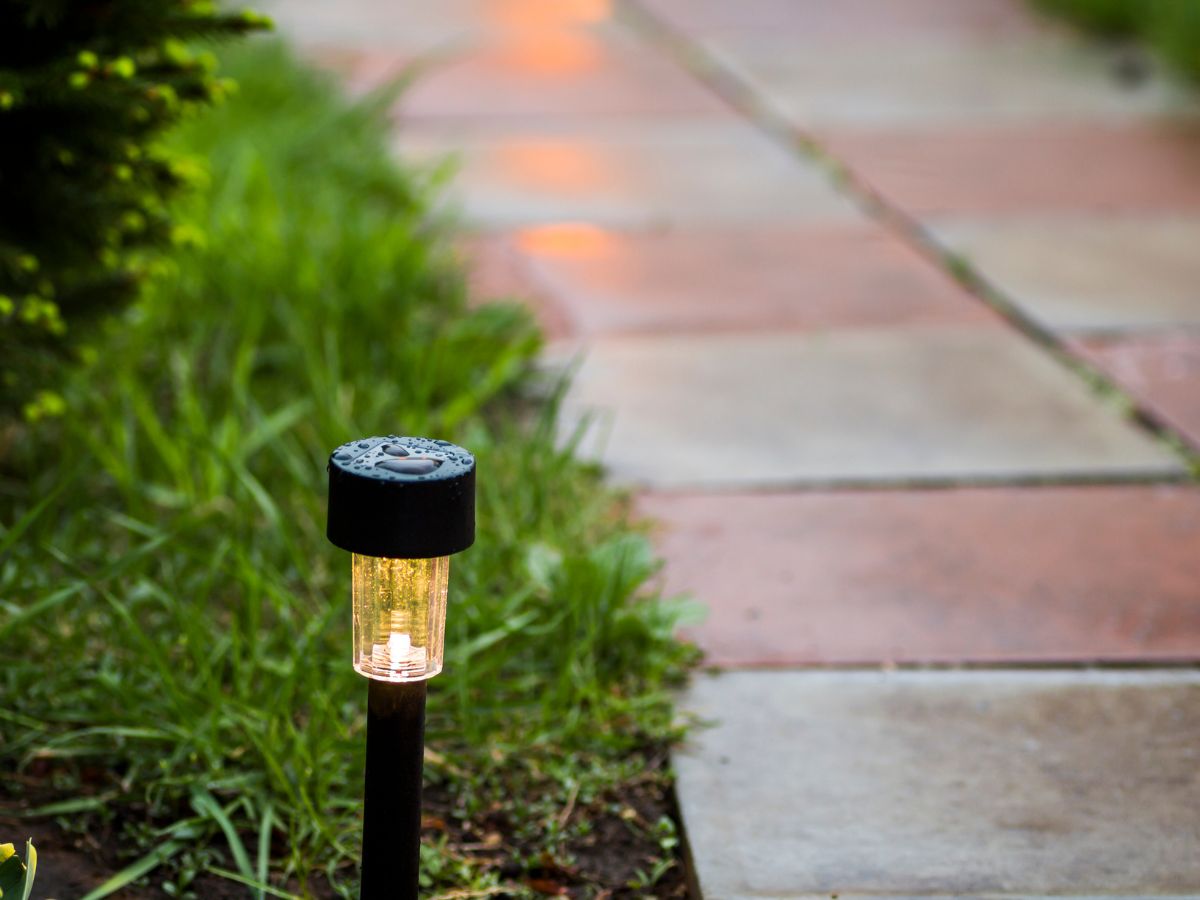
At Bespoke Landscaping, we install both porcelain and natural stone patios across Lincoln and Lincolnshire, with expert groundwork and a 5-year installation guarantee. Many homeowners also add subtle patio and step lighting to enjoy the space after sunset — something we can design and build in the same project. Thinking about a new patio? Contact us for a free, no-obligation quote and we’ll help you choose the perfect paving for your garden.
Frequently asked questions
Is porcelain or natural stone better for a patio?
Neither is universally better — it depends on the look and upkeep you want. Porcelain is denser, stain-resistant and virtually maintenance-free with a modern finish, while natural stone offers unique character and a traditional feel but needs sealing. Porcelain suits contemporary, low-maintenance gardens; natural stone suits traditional, natural-look gardens.
Does porcelain paving need sealing?
No. Porcelain is extremely dense and absorbs almost no water, so it does not need sealing. Natural stone, by contrast, is more porous and should be sealed to protect it from stains and to make cleaning easier.
Is porcelain paving slippery when wet?
Quality outdoor porcelain is manufactured with a textured, slip-resistant surface (often rated R11) that grips well even in wet weather. As with any patio, keeping the surface free of algae and moss is the best way to maintain grip.
Which is cheaper, porcelain or natural stone?
Popular natural stones such as sandstone often have a lower material cost than porcelain, while premium stones like granite can cost more. Because groundwork and labour make up most of a patio’s total price, the overall difference is usually smaller than the slab price suggests. A site visit gives the most accurate cost.
How long does a patio last?
A porcelain or natural stone patio laid on properly prepared foundations can last 20 years or more. The biggest factor in longevity is the quality of the base and installation rather than the type of slab, which is why professional groundwork is so important.